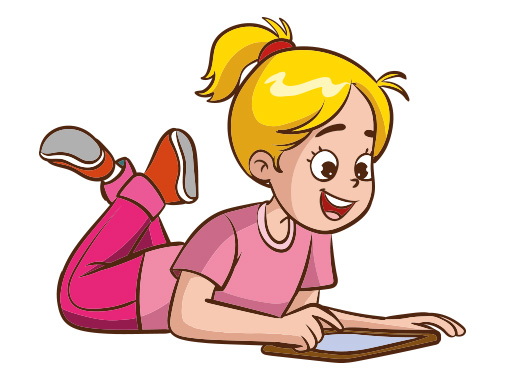
Child using an educational tablet app

Why the Right Apps Matter: Choosing Educational Games for Kids

In a world where screens are unavoidable, the question for parents isn't whether kids will use apps — it's which apps they'll spend their time on. The right educational app can spark curiosity, build problem-solving skills, and even introduce a second language. The wrong one can mean an hour of mindless tapping that leaves a child more agitated than entertained.

So what separates a great kids' app from a forgettable one? In our experience building games for young children, three things matter most: clear goals at every step, no in-game pressure to spend, and content that respects a child's pace. Apps that race kids through screens to maximize ad views aren't really educational — they're just attention farms. The best ones feel like a calm, friendly space where a child is in control.
UX design sketches for a kids app

Designing for Tiny Hands: Good UX for Babies and Kids

Designing apps for adults and designing apps for two-year-olds are two completely different jobs. Adults can read, follow instructions, and recover from mistakes. A toddler is still learning that a screen reacts to their finger at all. Every interaction has to forgive the wobbly tap, the accidental swipe, and the curious finger that finds the back button.

That means buttons need to be huge — far bigger than feels normal in grown-up design. Sound and color have to confirm every action so the child knows something happened. And nothing — absolutely nothing — should punish a child for getting it wrong. In our games, there are no "fail" states. Mistakes just become opportunities for a friendly character to cheer the child on and try again.

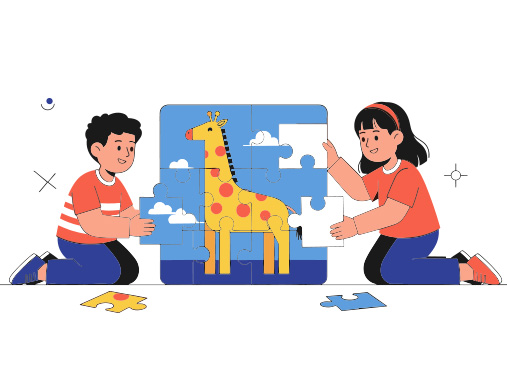
A child solving a colorful jigsaw puzzle

The Hidden Benefits of Puzzle Play: How Jigsaws Build Young Minds

Jigsaw puzzles look simple. A child slides a piece into a slot, the picture comes together, the game cheers. But underneath that, a lot is happening. Spatial reasoning, fine motor control, pattern recognition, focus, persistence — all of these get a little stronger with every completed puzzle.

Research on early childhood development consistently shows that toddlers who play with puzzles regularly tend to develop stronger spatial vocabulary and problem-solving skills. The trick is making puzzles that are challenging enough to stretch a child's thinking, but not so hard that they give up. That's the design problem we obsess over at Abuzz: how do you make a puzzle that's just hard enough for a three-year-old to feel proud when they finish it?